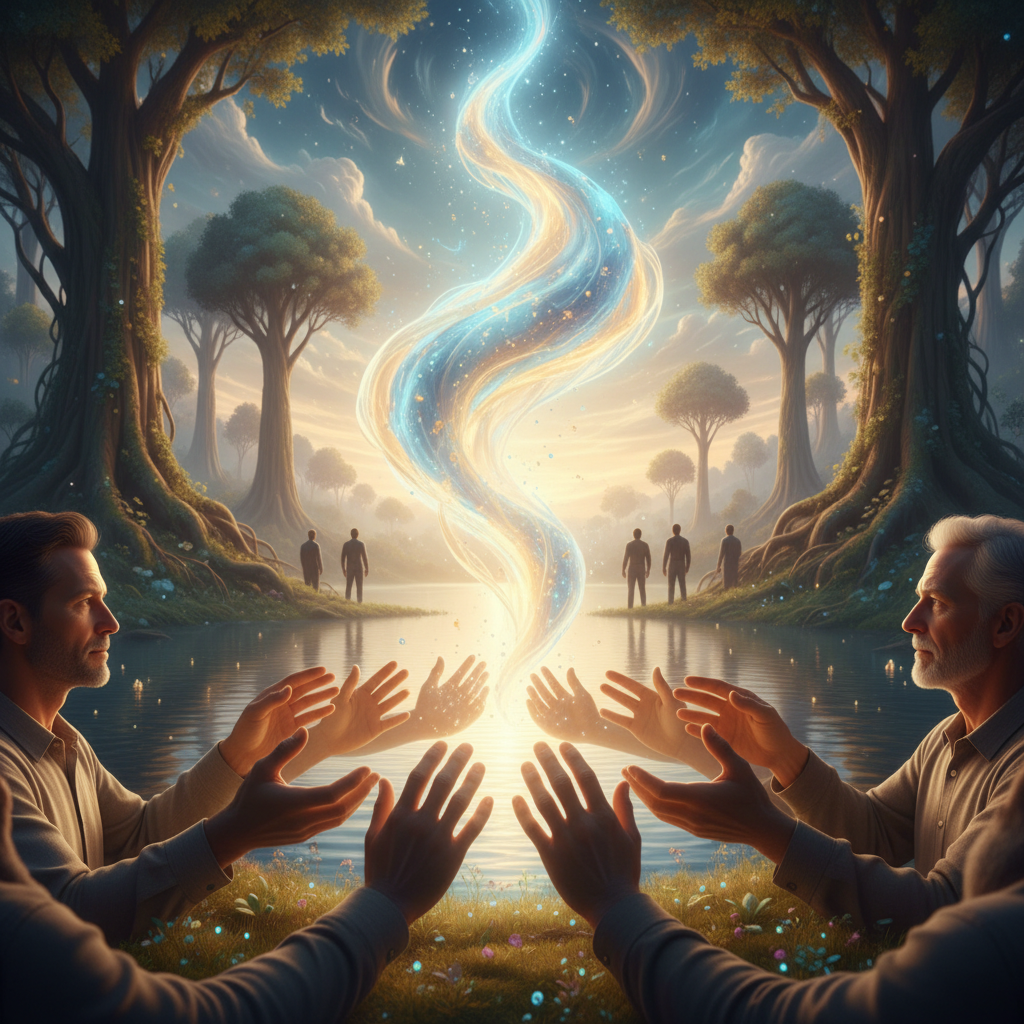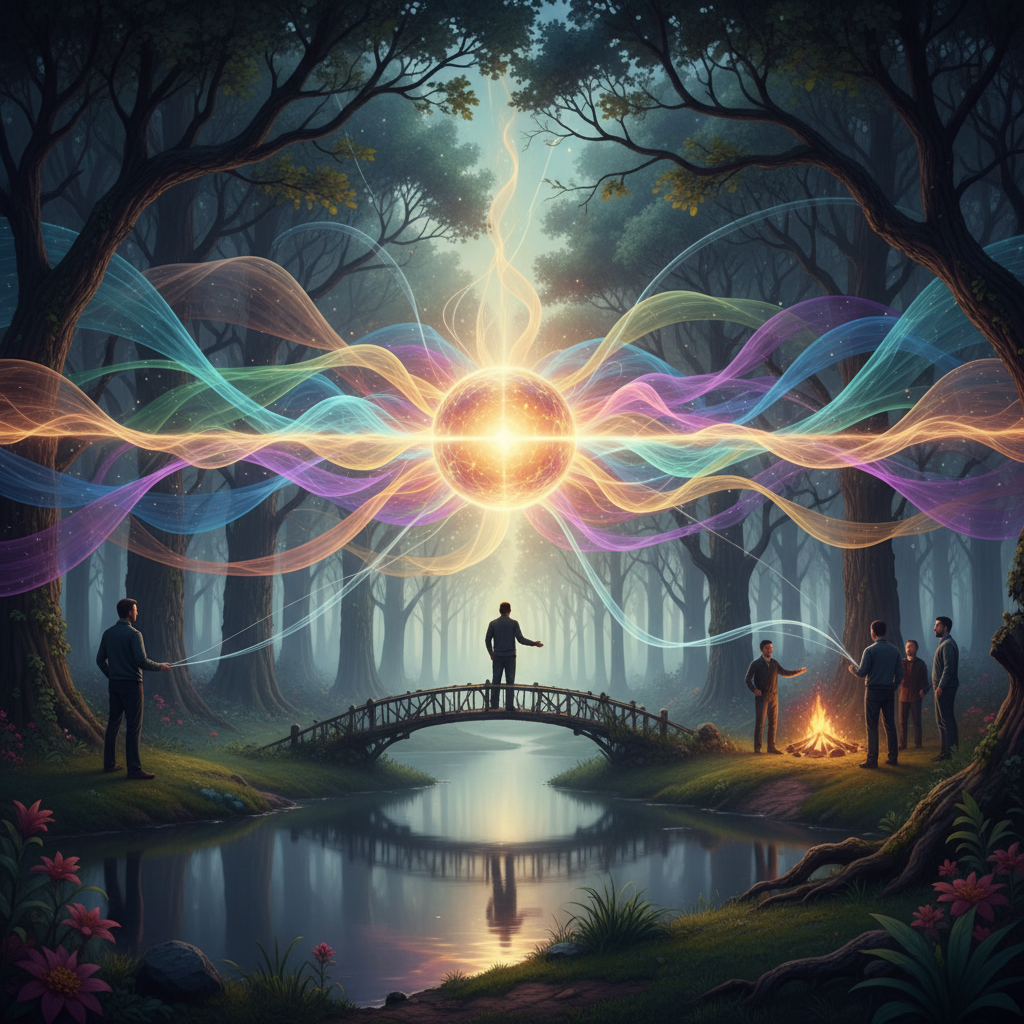

It's a familiar scenario: you have a brilliant idea, a burning desire, a goal that truly excites you. Yet, days turn into weeks, and that goal remains a shimmering mirage on the horizon. We often blame a lack of discipline or willpower, but what if the very language we use to describe our aspirations is subtly undermining our progress?
The Future Tense Trap
Think about how we typically phrase our goals: "I will start exercising more," "I want to write a book," "I hope to feel more confident." While these statements express genuine intent, they cast our ambitions into a perpetual future. Our brains, remarkably efficient at pattern recognition, interpret this as something that isn't happening now. There's no immediate call to action, no present-moment imperative. The 'future you' is responsible, and the 'present you' can comfortably defer.
This isn't about magical thinking; it's about leveraging well-understood psychological principles. Studies on mental rehearsal and visualization consistently show that our brains struggle to differentiate between vividly imagined experiences and actual ones. When you mentally rehearse an action, the same neural pathways activate as if you were physically performing it. The future tense, however, keeps the experience at arm's length, preventing this potent neural engagement.
Stepping Into the Scene: The Power of 'I Am'
What happens when you shift your language? Instead of "I will write that novel," try: "I am sitting at my desk, the morning light streaming in, my fingers dancing across the keyboard as words flow effortlessly." Or, instead of "I want to feel healthier": "I am feeling vibrant and energetic, my body moving with ease as I enjoy a brisk walk outdoors."
This isn't merely positive affirmation; it's a profound reorientation. You're no longer planning to be someone; you are that person, in that moment, experiencing that reality. You're creating a vivid, present-tense scene that your brain can latch onto and begin to internalize. This approach brings several key advantages:
* Reduces Cognitive Distance: The goal isn't 'out there' anymore; it's 'in here,' happening now. This dramatically shortens the perceived distance between your current state and your desired state, making the first step feel less monumental.
* Engages Sensory Detail: When you describe a goal as a present-tense scene, you naturally incorporate sensory details. What do you see, hear, feel, smell, taste? "I am feeling the warmth of the sun on my skin as I confidently present my ideas," is far more compelling than "I will be confident." These details make the scene feel real and immediate, generating genuine emotional resonance.
Fosters Identity-Based Goals: This method subtly shifts your focus from having a goal to being* the person who achieves that goal. Instead of "I want to run a marathon," it becomes "I am a dedicated runner, enjoying my morning miles, feeling strong and resilient." This identity-based approach, as popularised by behavioral science, is far more sustainable because it aligns your actions with who you perceive yourself to be.
Dissolving the Procrastination Barrier
When you consistently frame your goals as present-tense scenes, something remarkable happens to procrastination. The internal resistance often stems from the perceived effort required to bridge the gap between 'here' and 'there.' But when 'there' is already 'here' in your mental landscape, the effort feels less daunting.
Imagine you're trying to start a new habit. If it's a distant 'future me' task, it's easy to find excuses. But if you've spent time each day vividly experiencing "I am enjoying my morning meditation, feeling a profound sense of calm," your brain starts to treat this as an established reality. When the actual time comes to meditate, there's less internal friction because you've already 'been there' mentally. The act becomes less of a novel chore and more of an expected, natural extension of your identity.
This practice isn't about bypassing hard work. It's about making the work feel less like a struggle and more like a natural continuation of an already-present reality. By consistently immersing yourself in these 'already-there' scenes, you're not just wishing; you're building a neural pathway, setting an internal compass, and subtly reprogramming your mind to move towards the future you've already started to inhabit.
So, next time a goal feels stuck in the distant future, try bringing it into the vibrant, sensory-rich present. Describe it not as something you will do, but as something you are doing, right now. You might be surprised at how quickly the path clears and the journey begins.